


Laser Cutting Head
What is Laser Cutting Head
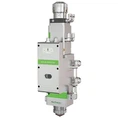
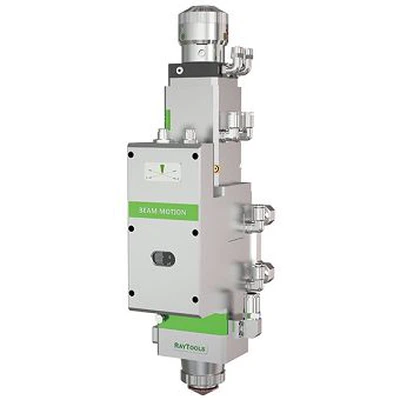
Laser Cutting Head is one of the key components in laser cutting equipment. It mainly includes a laser transmitter, focusing lens and nozzle, which are responsible for focusing and guiding the laser beam to the surface of the material to be cut.
Benefits of Laser Cutting Head
High-precision cutting: The laser cutting head can accurately focus the laser beam onto the material surface to achieve high-precision cutting. This high-precision cutting can reduce material waste and improve product quality.
High efficiency: The laser cutting head can quickly introduce the laser beam into the workbench to achieve rapid cutting of materials. Compared with traditional mechanical cutting methods, laser cutting has a higher cutting speed, thereby improving production efficiency.
Wide material applicability: The laser cutting head is suitable for cutting a variety of materials, including metals, non-metals and composite materials. This wide range of material applicability makes laser cutting a very flexible processing method.
Low cost: The cutting process of the laser cutting head does not require additional cutting tools or abrasives, thus reducing production costs. In addition, the maintenance cost of laser cutting heads is also relatively low because the lifespan of its main components is relatively long.
Environmentally Friendly: The laser cutting process produces relatively little noise and waste, so it has less impact on the environment. In addition, laser cutting can also reduce energy consumption, thus contributing to green production.


Why Choose Us
Application Fields
Since its establishment, the company has focused on laser industrial applications. We are committed to the sales and service of laser accessories, pneumatic components, and other mechanical accessories.
Customer Service
Our company has more than 150 employees, professional production lines and service teams, which can efficiently complete machine production and assembly. We also provide 24-hour online service, which can promptly respond to your questions and give you feedback on the progress of your order.
Main Products
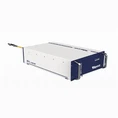
Fiber Laser Accessories
Pneumatic Components
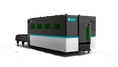
Laser Cutting Machines
Fiber optic cable
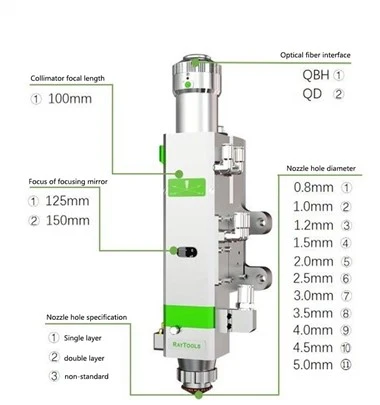
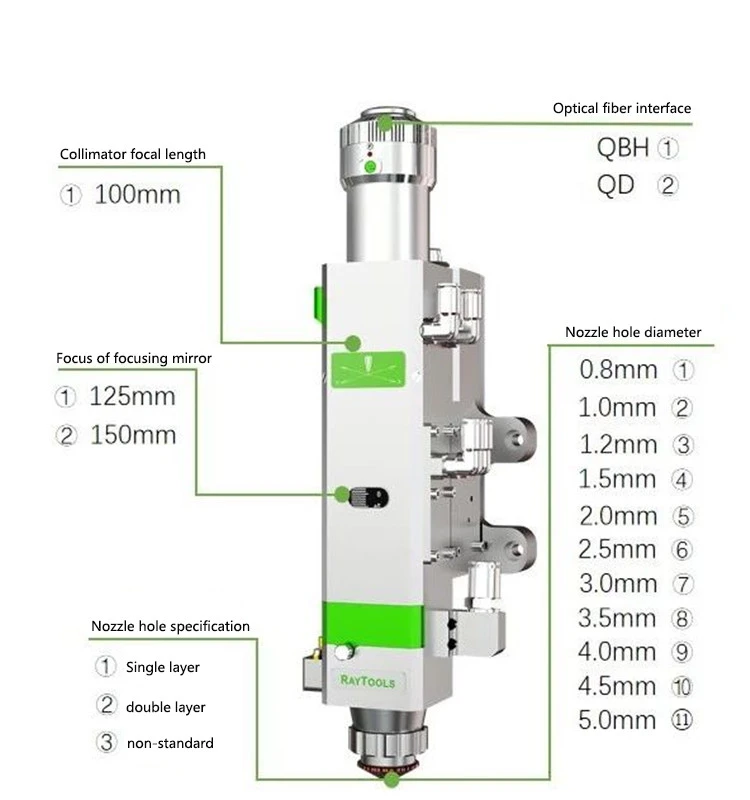
The optical fiber interface beam is transmitted by the optical fiber line. This part is an important part of the optical fiber connection to the cutting head. The beam enters the cutting head and reaches the surface of the plate.
Optical Core
Laser transmission medium. The diameter of the optical core is very small, including 30 mil, 50 mil, 100 mil, and 150 mil. In international units, one millimeter is equal to 1000 millimeters. We often hear that 50 millimeters is equal to 0.05 millimeters, which means that laser light is transmitted through a 0.05 millimeter optical fiber.
Upper Protective Mirror
Very thin lenses are relatively cheap. Their main function is to prevent dust from entering the inside of the cutting head and protect the collimator lens. Because collimating lenses are expensive.
Collimating Lens
The collimating mirror has a convex surface that produces refraction. Collimating lens position The collimating lens is equivalent to a convex lens. Divergent light is incident and parallel light is emitted, converting the divergent light beam transmitted in the optical fiber into parallel light. The light output by the optical fiber itself is divergent, so it needs to be collimated and then focused. If the spot is small, it must be expanded and then focused.
Focusing Lens
To focus the laser light, most cutting heads change the focus by moving the focusing lens up and down. Focusing lenses are also very expensive lenses.
The function of the focusing lens is to use a convex lens to focus the parallel light beam into a focal point and act on the material being cut to melt and cut it.
Medium Protective Mirror
This one is cheap and has the same price as the protective lens. Its main function is to protect the focusing lens and act as a seal.
In order to protect the focusing lens, the protective lens is designed, which saves the cost of the laser equipment during the processing process.
Lower Protective Mirror
It prevents iron slag from returning upward during perforation and cutting, and isolates the cutting gas.
Ceramic Ring
There are metal wires inside the ceramic ring that connect the nozzle to the sensor and transmit the nozzle sensing data. In addition, the ceramic ring is fragile. In the event of a serious collision, the ceramic ring will be damaged first to protect the cutting head.
Comparing the original and non-original ones, Prezite's original ceramic ring is made of oxidized aluminum. Compared with alumina, it is denser, wear-resistant, has a small thermal expansion coefficient, and has a high resistivity. It is polished after molding and has a high surface finish. , after such ceramics are bonded to stainless steel, they are not easily deformed.
Nozzle
Both the laser and the cutting gas pass through the nozzle, and the cutting quality and speed of different nozzles are different. The nozzle is the most common consumable part on the laser cutting machine, and it is also one of the most important parts
It is located at the bottom of the laser head and is closest to the workpiece. The focused laser and high-pressure airflow are ejected through the nozzle. The material must have high electrical conductivity and good thermal conductivity. Generally, nozzles made of copper are better than those made of brass and can ensure a good capacitive signal.
Focus Lens
The intersection of the concentrated light is the place where the laser energy is most concentrated. When cutting different plates and using different focal points, fiber lasers are very sensitive to dust. Any lens failure will affect the cutting quality and speed.
LED Light
You can view the internal conditions of the cutting head in real time through these 4 lights, such as lens temperature, focus position, etc.
19pin Interface PIN Pin
A metal substance used in connectors to complete the conduction (transmission) of electricity (signals). PIN pins are high-precision products, with tolerance requirements of ±0.001-±0.0005.
Application of Laser Cutting Head


Metal Processing: The laser cutting head is widely used in the metalworking industry for cutting various metals, including steel, aluminum, and stainless steel. It can achieve clean and precise cuts with minimal heat-affected zones, maintaining the integrity of the material.
Automotive Industry: In the automotive sector, laser cutting is employed for precision cutting of sheet metal parts. It is used to produce components like door panels, roof panels, and hoods with high accuracy and speed.
Electronics Manufacturing: Laser cutting heads are used in the electronics industry to cut delicate components, such as circuit boards and precision parts, with great precision.
Jewelry Industry: Laser cutting is popular in the jewelry industry for creating intricate designs and precision cuts in metal jewelry. It allows for fine detailing and smooth edges on jewelry pieces.
Art and Crafts: Laser cutting heads are used in the art and crafts industry to create precise cuts in wood, acrylic, paper, and other materials. Artists and crafters use laser cutting to create unique designs and patterns.
Textile Industry: Although laser cutting is less common in the textile industry, it can be used to create precise patterns and cuts in fabrics, especially for high-end fashion and apparel.
Aerospace Industry: In the aerospace industry, where parts need to be lightweight and have high precision, laser cutting heads are used to cut complex shapes and patterns in metals and composites.
Packaging Industry: Laser cutting can be used to create custom-shaped packaging materials, such as trays, lids, and boxes, with precision and efficiency.

Centring screw
The laser can be adjusted at the centre point of the nozzle. For the adjustment method, a transparent adhesive can be applied to the light coming out of the nozzle and then the transparent adhesive can be removed by pressing on that point. (If the light is not in the centre, the cut will not be stable and the cut will have burrs.)
Z-axis dust cover
After loosening the lower screw, the Z-axis can be oiled and lubricated.
Z-axis upper limit action
With the drive open, the cutting head limit block will return to the upper limit.
Z-axis lower limit
As the cutting head limit block approaches the lower limit, it will quickly return to the upper limit and return to the set position.
Focus screw
Select the appropriate focus position depending on the thickness of the material and the type of cutting gas.
Protective goggle drawer
Contains goggles and seals. Check the goggles and wipe them clean every day before switching on the machine. The seals must be replaced every three months.
Tips For Purchasing Laser Cutting Heads
Understand Your Needs
Identify the specific requirements of your laser cutting application. Consider the materials you will be cutting, their thicknesses, and the precision and speed required. This will help you determine the suitable type of laser cutting head.
Research the Market
Conduct thorough research on the available laser cutting heads in the market. Read product specifications, understand the technology used, and compare features, prices, and performance.
Consider the Core Components
The laser cutting head is just one component of the laser cutting system. Make sure to evaluate the laser source, optics, and other associated components to ensure they are compatible and provide optimal performance.
Evaluate Quality and Durability
Laser cutting heads are precision instruments, so it's important to consider their quality and durability. Look for manufacturers with a reputation for producing reliable products and offering comprehensive warranties.
Consider Technical Support and Service
Ensure that the manufacturer or supplier provides comprehensive technical support and service. This is important for troubleshooting, maintenance, and upgrading the laser cutting head as needed.
Cost Considerations
Laser cutting heads can vary widely in price, depending on their features, quality, and brand. Consider your budget and make sure to get the best value for your money. However, don't compromise on quality for the sake of cost savings.
Compatibility and Integration
Ensure that the laser cutting head is compatible with your existing laser cutting system or machine. Consider the size, shape, and connections required to integrate the cutting head into your workflow.
References and Reviews
Check for references and reviews from other customers or users of the laser cutting head. This can provide insights into the product's performance, reliability, and customer service.
The lifespan of a laser cutting head depends on various factors such as usage frequency, material type, cutting conditions, and maintenance. Therefore, it is difficult to provide a specific duration for the lifespan of a laser cutting head.
However, with proper usage and regular maintenance, a laser cutting head can last for several years. Regular cleaning, lubrication, and alignment of the cutting head are essential to ensure its optimal performance and extend its lifespan.
Additionally, the quality and brand of the laser cutting head also play a significant role in its durability. High-quality laser cutting heads from reputable manufacturers are generally designed for durability and reliability, and they can last longer with proper care.
Factors Affecting The Life Of Laser Cutting Head
The more frequently and for longer durations a laser cutting head is used, the faster it may wear out. Continuous operation can lead to component fatigue and degradation, reducing the overall lifespan.
The type and thickness of the material being cut can significantly impact the lifespan of a laser cutting head. Cutting thicker or more dense materials requires higher power output from the laser, which may result in faster wear and tear on the cutting head.
The cutting conditions, such as the laser power, cutting speed, and gas pressure, can affect the lifespan of the laser cutting head. Incorrect or suboptimal cutting conditions can lead to premature wear and failure of the cutting head.
The quality of the components used in the laser cutting head can significantly affect its lifespan. High-quality components are generally more durable and reliable, while low-quality components may wear out faster.
Regular maintenance and care are crucial for extending the lifespan of a laser cutting head. Failure to clean, lubricate, and align the cutting head regularly can lead to premature wear and failure.
The environmental conditions in which the laser cutting head operates can also affect its lifespan. Extreme temperatures, dust, and humidity can all take a toll on the cutting head, leading to faster wear and failure.
Our Factory

Jinan Chaoqian Machinery Technology Co., Ltd. was established in 2019, located in Jinan, Shandong Province. Since its establishment, the company has focused on laser industrial applications,we are committed to the sales and service of laser accessories, pneumatic components and other mechanical accessories.
Asked Questions
As one of the most professional laser cutting head manufacturers and suppliers in China, we're featured by quality products and competitive price. Please rest assured to buy high-grade laser cutting head for sale here from our factory.
Laser Cutting Head with Fiber Interfaces, Automatic Adjustment Laser Cutting Head, cost effective laser cutting head