



Company Profile
Jinan Chaoqian Machinery Technology Co., Ltd. was established in 2019, located in Jinan, Shandong Province. Since its establishment, the company has focused on laser industrial applications,we are committed to the sales and service of laser accessories, pneumatic components and other mechanical accessories.
Why Choose Us?
Application fields
Since its establishment, the company has focused on laser industrial applications. We are committed to the sales and service of laser accessories, pneumatic components, and other mechanical accessories.
One-stop solution
Our company has more than 150 employees, professional production lines and service teams, which can efficiently complete machine production and assembly.
24H online service
We provide 24-hour online service, which can promptly respond to your questions and give you feedback on the progress of your order.
High quality
Our products are manufactured or executed to very high standards, using the finest materials and manufacturing processes.

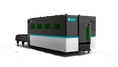
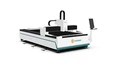
Single Platform Fiber Laser Cutting Machine
Brand servo driven precision gear and rack; Simple operation and maintenance; First choice for beginners of entry-level cutting machines
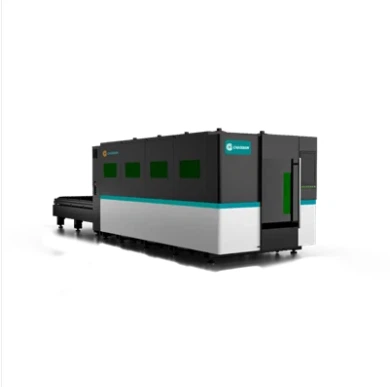
Surrounding Dual Platform Laser Cutting Machine
International standard protection ensures safe production; High energy-saving efficiency with medium to high power; Intelligent central control full machine real-time monitoring.

A6060 Linear Motor Precision Laser Cutting Machine
Linear motor drives with higher accuracy; The marble countertop has good rigidity; Improved performance of intelligent CNC systems;

6060 Linear Motor Fiber Laser Cutter is mainly for high-speed laser processing of thin plates, the whole machine has stable operation, mature technology, high cutting efficiency, covers an area of about 1800*1430mm.
Benefits of A6060 Linear Motor Precision Laser Cutting Machine
Precision and accuracy: Laser cutting provides high precision, allowing for intricate designs and tight tolerances that are difficult to achieve with traditional cutting methods.
Versatility: They can cut a wide range of materials, including metals, plastics, wood, glass, and textiles. This versatility makes them suitable for numerous applications, from industrial manufacturing to artistic projects.
Minimal material waste: The focused laser beam results in narrow cutting paths, which reduces the amount of material wasted compared to other cutting techniques.
Clean cuts and edges: Laser cutting produces smooth edges with minimal burrs, often eliminating the need for secondary finishing processes.
Automation and speed: Laser cutting machines can be automated, allowing for faster production speeds and consistent quality. They can also operate continuously, increasing efficiency.
Flexibility in design: With computer-aided design (cad) software, users can easily modify designs and produce complex patterns without the need for specialized tools or setups.
Reduced heat affected zone (haz): Laser cutting generates less heat than other cutting methods, which minimizes thermal distortion and damage to the material.
Safety: Modern laser cutting machines come with advanced safety features, reducing the risk of accidents compared to manual cutting methods.
Types of A6060 Linear Motor Precision Laser Cutting Machine
CO2 laser cutters are best suited for non-metal materials like wood, plastic, acrylic, paper, and fabric. They are highly efficient for cutting and engraving intricate designs on these materials. For instance, a CO2 laser cutter can be used in the fashion industry to cut patterns on fabric or in the signage industry to create detailed acrylic signs.
Fiber laser cutters excel in cutting metals, offering high efficiency and low maintenance. They are particularly effective for cutting stainless steel, aluminum, brass, and copper. Fiber lasers are known for their speed and precision, making them ideal for industries that require fast turnaround times and high-quality cuts.
Crystal laser cutters, which include Nd (neodymium-doped yttrium aluminum garnet) and Nd (neodymium-doped yttrium orthovanadate) lasers, are versatile but come with higher maintenance costs. These machines are suitable for both metals and non-metals, making them a flexible option for various applications.
Application of A6060 Linear Motor Precision Laser Cutting Machine
Automotive industry
Laser cutting has found a home in the automotive industry due to its ability to reproduce parts with relative speed and accuracy. Accurate reproduction of parts of various forms and sizes is critical in the automotive sector. Laser cutting is used to cut metals and plastics to form body parts, electronic components, interior covers and buttons for automobiles.
In addition, laser cutting machines can engrave buttons on automotive interiors to allow light to shine through and record serial and part numbers on manufactured parts. Molds used to cut different parts can also be cut with a laser.
Laser cutting is suitable for cutting hydroformed parts. These are typically sturdy tubes that offer support for the vehicle's construction. Typically, these parts are used to create engine frames or instrument panels.
Mold and tooling industry
As previously noted, laser cutting can be utilized to make molds for duplicate parts. Using the laser's ability to cut different depths in metal, extremely accurate molds can be created for stamped parts that can be used consistently through a repetitive die-cutting process.
Duplicating molds with laser cutting is also a quick and accurate process.
Injection molds can be made with the same precision as molds using laser cutting.
This simplifies the mold-making process and makes accurate mold reproduction a much faster and more expensive procedure.
In tool manufacturing, laser cutters can be used for marking and engraving in the automotive industry and for making simple hand tools. The speed of laser cutters may even make them better than die cutting on strong metals. Because of the versatility of its material uses, you can even laser engrave company logos and tool information on the rubber handles of most tools.
Jewellery industry
The precision of laser cutting makes it easy to use in jewellery making processes. For example, imagine a watch with many small gears. Lasers are cut with precision to make gears with less waste and production time. In addition, the laser's engraving capabilities allow parts to be marked during the manufacturing process.
Because lasers can cut precise shapes and thicknesses, laser cutting can also be used to make jewellery. Creating a ring or bracelet of precise width, depth and diameter can be easily accomplished with a laser. Lasers can also engrave designs and inscriptions on interior or exterior surfaces.
Medical device manufacturing
The most significant advantages of laser cutting in the medical industry are laser surgery and the fabrication of medical products.
Laser surgery allows surgeons to make precise cuts, and patients heal faster. Laser cut parts are used to manufacture medical devices that improve the quality of life for patients. For example, stents, valve frames, vascular clips, bone hinges, flexible shafts and reamers are all made from laser cut parts.
Ceramic manufacturing
Ceramics have various qualities that enable engineers to employ them in various applications. Their low electrical and thermal conductivity make them excellent insulators. They do not react with other chemicals, have a high melting point, and are extremely durable. Lasers are often used to cut ceramics because they reduce processing time without sacrificing edge quality. Aircraft jet engines, electric motors, speakers, headphones, power plant generators, rice cookers, and even incandescent lamps have ceramic parts.
Silicon manufacturing
Another material that can benefit from laser cutting is silicon, which has many applications. Precision cutting allows engineers to produce smaller silicon parts than those made using other cutting methods. Silicon is resistant to high temperatures and aging, and it is easy to work with. Typical applications for silicon are found in computers, electronics, textiles, household products, automobiles and construction.
Components of A6060 Linear Motor Precision Laser Cutting Machine

Laser system
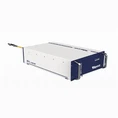
Laser cutting machines have two main components: The laser generator and the laser head. The laser generator creates a high-powered beam of light that is then directed into the laser head. The laser head contains a series of mirrors that focus the beam of light onto the material that is being cut.
The laser generator is the most important component of a laser cutting machine. It produces a powerful beam of light that is focused into the laser head. Without a properly functioning laser generator, the machine will not be able to produce a clean cut.
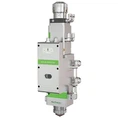
The second important component of a laser cutting machine is the laser head. The laser head contains a series of mirrors that focus the beam of light onto the material that is being cut. These mirrors must be aligned correctly in order to produce a clean, straight cut.
Servo system
A servo system is an essential component of a laser cutting machine. It consists of three main parts: a motor, a feedback device, and a controller. The servo system controls the movement of the laser beam to cut materials accurately.
The motor in the servo system provides the power to move the laser beam. The feedback device helps the servo system to know the position of the laser beam. The controller tells the servo system how fast or slow to move the laser beam.
The servo system is an important part of a laser cutting machine because it ensures that materials are cut accurately. If any one of these three parts is not working correctly, it can result in inaccurate cuts.
CNC system
The CNC system is responsible for controlling the motion of the laser head and directing it along the desired cutting path. The majority of modern laser cutting machines use an X-Y table design, which allows for accurate positioning of the material being cut. Some more advanced CNC systems also have the ability to tilting or rotating the laser head, which gives them even more flexibility in terms of cutting paths.
Material handling system
A material handling system is a key component of any laser cutting machine. It ensures that the correct material is being cut, and that it is being cut accurately. Without a material handling system, the laser cutting machine would not be able to function properly.
Power supply
There are two types of power supplies used in laser cutting machines: Direct current (dc) and alternating current (ac). Dc power supplies are more commonly used in lower-power lasers, while ac power supplies are typically used in higher-power lasers. The type of power supply you need will depend on the specific requirements of your application.
Optics system
Another important component of a laser cutting machine is the optics system. This system includes the mirror, lens, and other optical elements that focus and direct the laser beam. The optics system must be carefully aligned to ensure that the laser beam is properly focused and directed onto the workpiece.
Cooling element
The cooling element helps to keep the laser beam focused and stable, as well as prevent overheating of the machine. Without a properly functioning cooling element, the laser cutting machine would be significantly less effective and could even be damaged.
Gas storage reservoir
The gas storage reservoir is typically made out of stainless steel or another type of metal. It is important that the reservoir is made out of a material that can withstand high temperatures and pressures. The reservoir must also be able to hold a large amount of gas in order to create a powerful laser beam.
Laser cutting machine's software
the software is used to create designs that can be cut by the machine.
Process of A6060 Linear Motor Precision Laser Cutting Machine
Before a laser cutting machine can commence its work, it requires precise instructions in the form of G-Code. This programming language dictates the path and intensity of the laser beam, ensuring accurate cuts. Typically generated from CAD (Computer-Aided Design) software, G-Codes translate design specifications into machine-readable instructions.
The heart of laser cutting lies in the generation and precise control of the laser beam. Different types of lasers, such as CO2 and fiber lasers, are used depending on the material and application requirements. CO2 lasers, for instance, are ideal for cutting thicker materials like metals, while fiber lasers excel in precision cutting of thinner materials. These lasers produce a highly focused beam of light through stimulated emission of radiation, capable of melting or vaporizing material with minimal heat-affected zones.
The laser beam used in cutting processes begins with the amplification of light through stimulated emission of radiation. This amplification occurs in a laser resonator, where a lasing material (often a gas mixture like CO2) is energized by an electrical discharge or other means. This process produces a concentrated beam of coherent light with a specific wavelength.
Once amplified, the laser beam is directed towards the workpiece through a series of mirrors and lenses within the laser cutting head. These optical components precisely focus the beam onto the material surface, achieving high energy density at the point of contact. The focal point's accuracy and the beam's power intensity determine the cutting quality and efficiency.
The laser focusing process is crucial in laser cutting technology. It involves adjusting the optics to concentrate the laser beam into a small, focused spot. This focused beam ensures that the laser energy is concentrated enough to cut through materials cleanly and accurately, regardless of their thickness. Different types of lasers, such as CO2 and fiber lasers, have varying methods of achieving optimal focus depending on the material being cut.
Once the laser beam is focused, it is directed onto the surface of the material. The laser moves along a programmed path, guided by a computer numerical control (CNC) system that follows instructions from design software. As the laser beam interacts with the material, it heats it to the point of melting or vaporization along the cutting path, creating the desired shape or pattern.
At the core of laser cutting is the precise movement of the cutting head. This movement is guided by a motion control system that directs the laser beam across the material surface according to programmed instructions. The accuracy of this movement determines the quality and precision of the cuts made.
How to Maintain A6060 Linear Motor Precision Laser Cutting Machine
Cleaning the machine
Dust and debris are inevitable in any machine, including laser cutting machines. Regularly cleaning your machine, both inside and out, is essential for optimal performance. Pay special attention to the inside of the machine cabinet, the bed, and any areas where materials may accumulate. Use a soft brush or cloth to remove any dust or debris, making sure not to scratch any surfaces.
Checking and cleaning the fan unit
The fan unit plays a crucial role in removing fumes and smoke generated during the laser cutting process. Regularly check the fan unit for any accumulation of dust and debris that can impede its function. Disconnect the fan unit from the electrical supply, remove the extraction hoses, and clean the impeller fan and ducting using a soft paintbrush. This will ensure proper airflow and prevent overheating.
Inspecting and lubricating runners
To ensure smooth operation, regularly inspect and lubricate the runners and the rise and fall of the bed using light oil. Friction can cause wear on moving components, so keeping them lubricated is important for longevity and performance.
Checking and maintaining the air-assist compressor
The air-assist compressor helps remove debris from the cutting area, ensuring clean and accurate cuts. Check the compressor for correct operation and any obstructions in the filtration elements. Inspect the delivery hose from the compressor to the cutting head to ensure a suitable supply of air is reaching the nozzle.
Monitoring optics
Dirty optics can significantly reduce the beam's strength and affect the quality of your cuts. Regularly inspect the optics for any dirt or residue. If necessary, clean them using an appropriate cleaning solution and gentle cotton buds. Be careful not to damage the optics during the cleaning process.
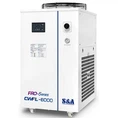
Maintaining the chiller
The chiller is responsible for cooling the laser tube and maintaining the optimal temperature. Regularly monitor the chiller's performance and check for any temperature indications on the display. Every few weeks, clean the filters in the chiller and remove any buildup of material. Ensure that you use deionized or distilled water to prevent impurities from clogging the system.
It all starts with a laser source, which produces a powerful, consistent light that can be adjusted quickly and with great accuracy.
The light is then focused and redirected until it reaches a fine point. If you have ever started a fire using sunlight and a magnifying glass, you will be familiar with the principle at work here. When the light is concentrated enough, it becomes intensely hot, allowing it to cut through the material of your choice.
The laser is usually mounted on a gantry system. This allows the laser to moves anywhere on an XY axis. This means that it can reproduce designs with great accuracy, even if there are large numbers of curves and angles involved.
That said, not all lasers can produce the same level of detail; some lasers aren't strong enough to cut through metal.
Laser Cutting Considerations
The laser type that is ideal for a laser cutting application largely hinges on the specific material that is to be cut. Other considerations, however, must be weighed when setting up a laser cutting machine for a specific application. These considerations may include focal spot, wavelength, beam mode, laser power, machine configuration, and material considerations.
Focal spot
The laser beam is pointed through a lens and focused to a small spot of high intensity. The focal spot also referred to as the focus, is the point where the beam's diameter is the smallest. The focus' peak position for a laser cutting application depends on a range of factors. These factors include material properties and thickness, beam shape and mode, assist gas type, and focal lens state.
Wavelength
The laser beam's wavelength is the spatial length of a single whole vibration cycle for a photon within the beam. The laser beam's wavelength in part determines the material's radiation absorption rate. This rate enables the material to be heated, melted, and vaporized in order to produce the desired cuts. Most fiber lasers today are optimized to cut at 1070 nanometers, near-infrared level.
Beam mode
The beam mode is connected to how the intensity of the laser beam is distributed across the beam's cross-sectional area. The beam mode affects the beam focal spot size as well as beam intensity. Beam intensity, in turn, influences cut quality. Usually, the optimal mode has a gaussian intensity distribution (tem00).
Laser power
Fiber lasers used for metal cutting are typically in the 1- to 10-kilowatt range. Some fiber lasers even go higher, however, up to 15 to 20 kilowatts. More power does not necessarily mean thicker material cutting. Often, more power can generate faster pierce times, faster-cut speeds, and faster and thicker cutting, using fusion cutting techniques.
Machine configuration
Laser systems always require an enclosure to protect operators from the harmful fiber laser wavelengths. Because of this, most systems have a shuttle or transfer table, so material can be loaded outside the enclosure and transferred in to commence cutting. There are also options available with enclosure systems, however, that automatically open and close to enable larger-format material to be cut.
Material considerations
Fiber lasers can cut almost any ferrous or nonferrous metal such as mild steel, stainless steel, aluminum, brass, or titanium.
Our Factory

Always adhere to the business philosophy of integrity, cooperation and service, the development concept of "user centered, product and service oriented", save costs for customers, provide considerate and high-quality services, and make customers more reassured.
FAQ
Hot Tags: a6060 linear motor precision laser cutting machine, China a6060 linear motor precision laser cutting machine manufacturers, suppliers, factory, laser cutting for unsealed material production, Fiber Laser Welding Head, , , Laser Cleaning Machine Chiller, Laser Cutting Control System


