


How long do laser welders last?
Laser welders have revolutionized the field of welding by providing a precise and efficient method of joining materials. These machines utilize high-powered lasers to melt and fuse metal components together, eliminating the need for traditional welding techniques such as gas welding or electric arc welding. As laser technology continues to advance, the lifespan of laser welders has increased significantly. In this article, we will explore the factors that influence the lifespan of laser welders and provide some insight into their longevity.
The Factors Influencing the Lifespan of Laser Welders
1. Laser Type: The type of laser used in a laser welder plays a crucial role in determining its lifespan. Different lasers have varying power levels, operating characteristics, and maintenance requirements. For instance, solid-state lasers, such as neodymium-doped yttrium aluminum garnet (Nd:YAG) lasers, are known for their durability and can last for tens of thousands of hours. On the other hand, gas lasers, like carbon dioxide (CO2) lasers, have a shorter lifespan due to the depletion of the gas medium. The maintenance and replacement costs associated with different laser types also impact the overall lifespan of laser welders.
2. Utilization and Workload: The frequency and intensity of use directly influence the lifespan of laser welders. Continuous operation or prolonged welding sessions can cause the laser components to heat up, leading to thermal stress and potential damage. Additionally, high-power lasers generate more heat, increasing the risk of wear and tear. Therefore, the lifespan of a laser welder is shorter when it is used extensively or subjected to heavy workloads. Proper maintenance, including regular cleaning, cooling, and inspection, can mitigate the effects of utilization on the lifespan of laser welders.
3. Maintenance and Service: Regular maintenance and timely servicing are essential for prolonging the lifespan of laser welders. Laser optics, resonators, and cooling systems are among the critical components that require routine upkeep. Cleaning the optics and replacing any damaged or degraded components can prevent performance degradation and extend the lifespan of the equipment. It is also crucial to follow the manufacturer''s guidelines for maintenance intervals, as neglecting maintenance can lead to premature failure of laser welders.
4. Environmental Factors: Environmental conditions can significantly impact the lifespan of laser welders. High temperatures, excessive humidity, dust, or corrosive gases can accelerate component degradation and trigger premature failure. Proper ventilation and temperature control are necessary to ensure the optimal performance and longevity of laser welders. Additionally, storing laser welders in clean and dry environments when not in use can help prevent damage caused by dust or moisture.
Extended Lifespan Techniques and Technologies
1. Diagnostics and Monitoring: Advanced diagnostic systems are now available to monitor the health and performance of laser welders. These systems can detect any anomalies or deviations from normal operating conditions and provide real-time feedback to operators. By identifying potential issues early on, timely maintenance or repairs can be undertaken to prevent further damage and extend the lifespan of laser welders.
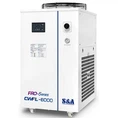
2. Laser Cooling: Efficient cooling plays a vital role in maintaining the performance and lifespan of laser welders. The cooling system ensures that the laser components operate within the optimal temperature range, minimizing the risk of thermal stress or damage. Advanced cooling technologies, such as active liquid cooling or thermoelectric cooling, enhance the overall lifespan of laser welders by dissipating heat more effectively and maintaining stable operating conditions.
3. Component Upgrades and Replacements: As laser technology continues to evolve, manufacturers offer component upgrades and replacements to enhance the lifespan of laser welders. Upgrading to more advanced laser sources or replacing worn-out components can improve performance and extend the overall lifespan of the machine. However, the cost-effectiveness of upgrading or replacing components depends on factors such as the age of the laser welder, the availability of spare parts, and the compatibility of new components with existing systems.
4. Quality Material Selection: The lifespan of laser welders can be influenced by the materials used in their construction. Opting for high-quality and durable components, such as laser resonators and optics, can enhance the overall lifespan of the equipment. Choosing materials that are resistant to corrosion or wear can help mitigate the effects of harsh working conditions and extend the longevity of laser welders.
Conclusion
The lifespan of laser welders depends on various factors, including the type of laser used, utilization and workload, maintenance and servicing, and environmental conditions. By investing in high-quality equipment, undertaking regular maintenance, and adopting advanced technologies, it is possible to extend the lifespan of laser welders significantly. As laser technology continues to evolve and improve, we can expect even longer lifespans for these machines in the future.