


How much is a tube laser?**
**Introduction
A tube laser is a cutting-edge technology that revolutionizes the manufacturing industry. It offers significant advantages over traditional cutting methods, such as increased precision, efficiency, and versatility. The cost of a tube laser, however, varies depending on various factors such as brand, specifications, and additional features. In this article, we will delve into the world of tube lasers and explore the different aspects that influence their pricing.
Understanding Tube Lasers
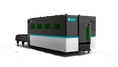
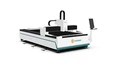
Tube lasers are powerful machines used for cutting and processing metal tubes and profiles. They utilize high-intensity laser beams to accurately and swiftly cut through various materials, including steel, aluminum, and copper. The process involves focusing the laser on the workpiece, which results in a precise and clean cut. Tube lasers are widely used in industries such as automotive, aerospace, and construction due to their ability to produce complex shapes and designs.
Factors Affecting the Price of a Tube Laser**
1. **Brand and Reputation: The brand of the tube laser plays a significant role in determining its price. Well-established and reputable brands often have higher prices due to their superior build quality, reliability, and customer support. These brands invest heavily in research and development, resulting in cutting-edge features and advanced technology.
2. Specifications: The specifications of a tube laser heavily influence its price. Higher power lasers, for example, will generally have a higher cost. The wattage of a laser determines its cutting capabilities and the thickness of materials it can handle. Additionally, the size of the machine, the working area, and the number of axes also affect the price. Machines with larger working areas and more axes are generally more expensive.
3. Additional Features and Options: Tube lasers often come with a variety of additional features and options that can enhance their functionality. These may include automatic loading and unloading systems, rotary axis for tube cutting, automatic nozzle changers, and computer-aided design (CAD) software integration. The more features a tube laser has, the higher its price is likely to be.
4. After-Sales Support: The level of after-sales support provided by the manufacturer can impact the price of a tube laser. Companies that offer comprehensive training, maintenance, and technical support may charge a premium for their products. This ensures that customers receive proper guidance and assistance throughout the lifespan of the machine.
Cost Range of Tube Lasers
Tube lasers are significant investments, and the pricing can vary greatly depending on the aforementioned factors. On average, a tube laser can cost anywhere from $200,000 to over $1,000,000. Entry-level models with lower power and fewer features could fall within the lower end of the price range, while high-end models with advanced capabilities command a higher price.
Benefits of Investing in a Tube Laser
Despite the significant investment required, purchasing a tube laser can provide numerous benefits to manufacturing businesses. Some of the key advantages include:
1. Increased Precision: Tube lasers offer exceptional precision, allowing for intricate and complex designs to be accurately reproduced. This level of precision reduces material waste and eliminates the need for additional post-processing.
2. Improved Efficiency: The high cutting speed of tube lasers, coupled with their automated features, results in improved productivity and reduced manufacturing time. This allows businesses to handle larger workloads and meet strict deadlines more efficiently.
3. Versatility: Tube lasers provide the versatility to cut a wide range of materials, shapes, and sizes. They can handle both straight and curved tubes, as well as profiles of varying complexities. This versatility opens up new possibilities for product design and customization.
4. Cost Savings: While the initial investment in a tube laser may seem significant, it can result in long-term cost savings. The precision cutting and reduced material waste translate into lower raw material costs. Additionally, the automation and increased productivity minimize labor requirements, further reducing operational expenses.
Conclusion
The price of a tube laser depends on several factors, including brand reputation, specifications, additional features, and after-sales support. Despite the cost, investing in a tube laser offers numerous benefits such as increased precision, improved efficiency, versatility, and cost savings. The decision to purchase a tube laser should be based on careful evaluation of business requirements, long-term goals, and available budget. With the right machine, manufacturers can unlock new possibilities and stay at the forefront of their industry.