


How thick plate can be laser cut?
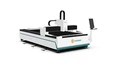
Laser cutting is an advanced manufacturing technique that has gained prominence in various industries due to its precision and versatility. By using a high-powered laser beam, materials such as metals, plastics, wood, and even fabrics can be cut with remarkable accuracy. However, the question arises: how thick of a plate can be laser cut? In order to understand the limitations and capabilities of laser cutting, it is important to delve into the fundamentals of the process.
Understanding Laser Cutting
Before delving into the thickness limitations, let''s first understand how laser cutting works. The process involves directing a laser beam onto the surface of a material, which melts, burns, or vaporizes the material in a controlled manner. The laser beam is typically focused using a lens system to achieve a small focal spot diameter, thus ensuring high precision and accuracy during cutting.
Laser cutting can be performed using two main types of lasers: CO2 (carbon dioxide) lasers and fiber lasers. CO2 lasers operate by emitting a high-energy beam of infrared light, while fiber lasers use a solid-state laser medium to generate the laser beam. Both types of lasers have their own advantages and are employed based on the specific material being cut and the desired outcome.
The Factors Affecting Laser Cutting Thickness
The thickness of a material that can be cut using a laser depends on several key factors, including the type of laser being used, the material itself, and the power of the laser beam. Let''s explore each of these factors in detail:
1. Laser Type: CO2 lasers, commonly used for softer materials such as wood, acrylic, and fabrics, have a maximum thickness limit of approximately 25mm (1 inch). On the other hand, fiber lasers, known for their higher energy density, are capable of cutting thicker materials due to their superior absorption characteristics. Fiber lasers can effectively cut metals such as stainless steel and aluminum with thicknesses ranging from 1mm to 30mm (0.04 to 1.18 inches), depending on the power of the laser.
2. Material characteristics: The composition and properties of the material being cut greatly influence the thickness that can be effectively laser cut. Materials like steel, aluminum, and titanium are known for their high thermal conductivity and reflectivity, which can significantly impact laser cutting capabilities. Moreover, some materials may produce toxic fumes or emit hazardous particles when exposed to laser cutting, necessitating additional precautions.
3. Laser power: The power output of the laser is a crucial factor in determining the maximum thickness that can be cut. Higher power lasers are capable of melting or vaporizing thicker materials by delivering a greater amount of energy to the target. However, it is essential to strike a balance between power and precision, as excessive power can lead to excessive material loss, irregular cuts, or even damage to the laser system itself.
Overcoming Thickness Limitations
While there may be limitations in terms of maximum thickness, there are several techniques and strategies to overcome these limitations and achieve desired results:
1. Multiple passes: One way to overcome thickness limitations is by performing multiple passes on the same location. By reducing the cutting speed or increasing the laser power, it is possible to cut thicker materials by gradually removing material layer by layer. This method requires precise control and positioning to ensure accurate cutting and alignment of the multiple passes.
2. Piercing: For thicker materials, it is often necessary to create a small hole, known as a pierce point, before beginning the cutting process. This allows the laser beam to penetrate the material and initiate the cutting operation. Piercing is critical in preventing damage to the material and ensuring a cleaner cut. The number of pierce points required depends on the material thickness and properties.
3. Assist gases: The use of assist gases, such as oxygen, nitrogen, or compressed air, can significantly enhance the laser cutting process. Assist gases help to blow away the molten material and debris from the cutting zone, prevent overheating, and improve the overall cutting quality. The choice of assist gas depends on the material being cut and the desired outcome.
Applications of Laser Cutting
Laser cutting has found extensive applications across various industries, due to its precision, versatility, and minimal material waste. Some notable applications include:
1. Automotive industry: Laser cutting is widely used in the automotive industry for accurate and efficient cutting of various components, such as chassis, body panels, and exhaust systems. The ability to cut complex shapes and patterns makes laser cutting ideal for automotive manufacturing.
2. Aerospace industry: Laser cutting plays a vital role in the aerospace industry, where high precision and tight tolerances are essential. It is used in the fabrication of aircraft parts, engine components, and intricate structures.
3. Electronics industry: Laser cutting is employed in the electronics industry for manufacturing printed circuit boards (PCBs), semiconductor components, and precision electronic devices. The high precision and minimal heat input of laser cutting make it ideal for delicate electronic materials.
4. Architectural industry: Laser cutting has revolutionized architectural design by allowing intricate patterns, motifs, and textures to be incorporated into building facades, decorative panels, and interior spaces. The versatility of laser cutting enables architects to unleash their creativity and bring unique designs to life.
Conclusion
In conclusion, the thickness of a plate that can be laser cut varies depending on several factors, including the type of laser used, material characteristics, and laser power. CO2 lasers are generally limited to materials up to 25mm thick, while fiber lasers can cut metals up to 30mm thick. However, with the use of multiple passes, piercing techniques, and assist gases, it is possible to overcome certain thickness limitations. Laser cutting offers immense possibilities in various industries, enabling precise and intricate cutting of a wide range of materials to meet the demands of modern manufacturing.