


Laser welding is a popular technique used in various applications, including welding metals, plastics, and even fabrics. It is a non-contact process that uses a high-energy laser beam to melt and fuse materials together. However, like any other welding technique, laser welding has its disadvantages. In this article, we will discuss some of the disadvantages of laser welding.
What is Laser Welding?
Before we delve into the disadvantages of laser welding, it''s essential to understand what laser welding is and how it works. Laser welding is a welding technique that uses a high-intensity laser beam to fuse two pieces of material together. The laser beam provides a concentrated heat source, which allows for precise, localized melting of the material. Laser welding is a non-contact process, which means the laser beam is not in direct contact with the material being welded.
Laser welding has several advantages over other welding techniques. For example, it can produce high-quality welds quickly, with minimal distortion and heat input. It is also versatile and can be used to weld a wide range of materials, including metals, plastics, and fabrics. However, despite its numerous benefits, laser welding also has some disadvantages.
Disadvantages of Laser Welding
1. High Equipment Costs
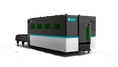
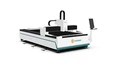
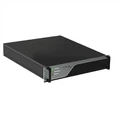
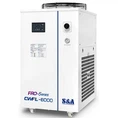
One of the biggest disadvantages of laser welding is the high equipment costs. The cost of laser welding machines is significantly higher than traditional welding machines. Laser welding machines require complex and precise systems, such as a laser source, optics, power supplies, and cooling systems. The cost of maintaining and repairing these machines can be high as well.
2. Safety Considerations
Laser welding is a high-energy process that can be dangerous if not handled properly. Direct exposure to the laser beam can cause severe burn injuries and even blindness. The operator must take proper safety precautions, such as using safety glasses and protective clothing, to avoid injury.
3. Limited Weld Depth
Another disadvantage of laser welding is the limited weld depth. Laser welding is more suitable for welding thin materials up to a certain thickness. Beyond that thickness, the laser beam may not penetrate deep enough to create a strong weld. This limitation makes laser welding unsuitable for welding thick materials.
4. Joint Fit-up Requirements
Laser welding requires precise joint fit-up to produce high-quality welds. The laser beam must be directed at the joint precisely to ensure proper fusion of the material. This requirement makes laser welding more challenging than traditional welding techniques, especially when welding complex shapes or parts that require close tolerances.
5. Material Limitations
Laser welding is suitable for welding a wide range of materials. However, there are some limitations to the type of materials that can be welded using a laser beam. For example, some plastics and metals may not absorb the laser beam''s energy efficiently, making it challenging to produce a high-quality weld. Additionally, some materials may emit hazardous fumes when exposed to the laser beam, which can be harmful to the operator and the environment.
Conclusion
Laser welding is a valuable welding technique that offers several advantages over traditional welding methods. However, it also has some disadvantages, such as high equipment costs, safety considerations, limited weld depth, joint fit-up requirements, and material limitations. Despite these drawbacks, laser welding remains a popular choice for many applications due to its precision, speed, and versatility. It is essential to consider these disadvantages when choosing a welding method that best fits your application''s needs.