


Introduction
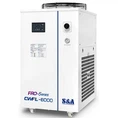
A water chiller is a device that cools water and maintains it at a desired temperature. It is commonly used in various industries such as food and beverage, pharmaceuticals, and manufacturing. In this article, we will explore what a water chiller is, how it works, and its applications in different fields.
What is a Water Chiller?
A water chiller is a refrigeration system that uses a compressor, evaporator, condenser, and expansion valve to cool and dehumidify water. It is designed to circulate a coolant, which absorbs the thermal energy from the water and transfers it to the atmosphere. The coolant is circulated in a closed loop, which consists of the compressor, evaporator, condenser, and expansion valve.
How does a Water Chiller Work?
The cooling process of a water chiller starts with the compressor, which compresses the refrigerant gas into a high-pressure and high-temperature gas. The gas is then passed through the condenser, where it is cooled and condensed into a liquid state. The cooled liquid is then sent through the expansion valve, where it is further cooled and pressure is reduced. The chilled refrigerant then enters the evaporator, where it absorbs the heat from the water and transforms into a gas.
The heated refrigerant gas is then returned to the compressor, where the cycle starts again. The water chiller maintains a constant temperature by controlling the flow rate of the refrigerant, which determines the amount of heat absorbed by the evaporator. The efficiency of a water chiller is determined by the coefficient of performance (COP), which is the ratio of cooling output to electrical power input.
Applications of a Water Chiller
Water chillers are used in a variety of applications in different industries. Some of the common applications include:
Food and Beverage Industry: In the food and beverage industry, water chillers are used to maintain the temperature of perishable items such as meat, dairy products, and vegetables. They are also used in breweries to control the temperature of the beer during the fermentation process.
Pharmaceutical Industry: In the pharmaceutical industry, water chillers are used to maintain the temperature of medications and vaccines. They are also used in laboratories to control the temperature of equipment and experiments.
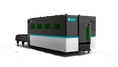
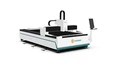
Manufacturing Industry: In the manufacturing industry, water chillers are used to cool the equipment and machinery, which generates a significant amount of heat during operation. They are used in plastic injection molding machines, laser cutters, and CNC machines.
HVAC Industry: In the HVAC industry, water chillers are used to cool the air in large buildings such as hospitals, hotels, and shopping malls. They are used in chill water plants to maintain the temperature of the water used for air conditioning.
Types of Water Chillers
There are different types of water chillers, which use different refrigerants and cooling mechanisms. Some of the common types include:
Air Cooled Water Chillers: The air-cooled water chiller uses ambient air to cool the refrigerant in the condenser. They are easy to install, require less maintenance, but have higher operating costs due to their lower efficiency.
Water Cooled Water Chillers: The water-cooled water chiller uses water from an external cooling tower to cool the refrigerant in the condenser. They are more efficient than air-cooled water chillers, but require more maintenance due to their complex design.
Absorption Chillers: Absorption chillers use a chemical process to generate cooling instead of a compressor. They are powered by natural gas, propane, or waste heat, and are often used in large buildings. Absorption chillers are more energy-efficient than conventional chillers but have high upfront costs.
Conclusion
In conclusion, a water chiller is an essential piece of equipment that maintains the temperature of water in various applications. The working principle of a water chiller is simple, but its efficiency and reliability are crucial for maintaining consistent temperature. With the growing demand for energy-efficient and sustainable cooling solutions, water chillers are becoming more advanced and sophisticated. Understanding the applications and types of water chillers can help in selecting the right equipment for specific needs.