


Why is laser cutting so expensive?
Laser cutting is a widely used technology in various industries, including manufacturing, automotive, aerospace, and even the art and fashion industries. It offers precise and clean cuts, making it a preferred method for producing intricate shapes and designs. However, one drawback to laser cutting is its relatively high cost compared to other cutting techniques. In this article, we will explore the factors that contribute to the expense of laser cutting and help shed light on why it can be pricey.
The Complexity of Laser Cutting Technology
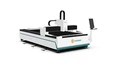
Laser cutting involves the use of high-powered laser beams to melt, burn, or vaporize material. The laser beam is precisely controlled by computer software to maneuver through the material, creating the desired cuts with accuracy in a short span of time. The complexity of laser cutting technology contributes to its expensive nature.
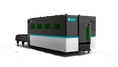
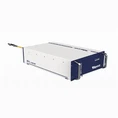
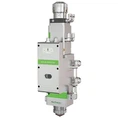
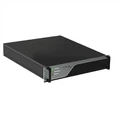
First and foremost, the machinery used for laser cutting is highly advanced and requires significant investment. Laser cutting machines consist of intricate systems, such as laser sources, focus lenses, mirrors, and motion control systems, which must work seamlessly together to produce the desired outcomes. These sophisticated components come at a high cost, both in terms of initial purchase and ongoing maintenance.
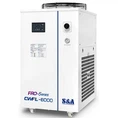
Moreover, laser cutting machines generate a considerable amount of heat during the cutting process. To prevent damage to the machine and ensure optimal performance, elaborate cooling systems are required. These systems add to the overall cost of laser cutting machines.
The Cost of Laser Technology Upkeep
Apart from the initial investment, laser cutting also incurs ongoing expenses for maintenance and upkeep. Laser machines require periodic calibration and alignment to ensure accuracy and precision. Technicians skilled in laser technology are needed to carry out these tasks, resulting in additional labor costs.
Furthermore, laser cutting machines require specific gases for their operation. For example, CO2 lasers, which are commonly used for cutting metal and non-metal materials, require a constant supply of high-quality carbon dioxide gas. The procurement and regular replenishment of these gases add to the overall expense of laser cutting.
Material and Energy Consumption
The type and thickness of the material being cut can significantly impact the cost of laser cutting. Certain materials, such as metals, may require more powerful lasers to achieve clean cuts. The increased power translates to higher energy consumption, leading to increased operating costs.
Additionally, the laser cutting process produces waste material known as slag. The removal and disposal of slag require additional labor and resources, adding to the expense. Some materials also generate toxic fumes when laser cut, necessitating the use of elaborate ventilation and exhaust systems for worker safety and compliance with environmental regulations.
Skilled Labor and Expertise
Laser cutting is a highly specialized field that demands skilled operators and technicians. These professionals are responsible for programming, operating, and maintaining the laser cutting machines. Their expertise ensures the quality and precision of the final product.
Skilled labor comes at a higher price, as it requires specialized training and experience. Industries that rely heavily on laser cutting often require operators who possess knowledge of design software, CAD/CAM systems, and an understanding of material properties. The cost of hiring and retaining such skilled professionals is reflected in the overall expense of laser cutting.
Research and Development
The continuous improvement and innovation of laser cutting technology contribute to its cost. Research and development (R&D) efforts aim to enhance efficiency, precision, and versatility in laser cutting machines. These R&D expenses, including testing new laser sources, optics, and control systems, are ultimately passed on to the consumer, making laser cutting more expensive.
Moreover, research and development not only focus on the machines themselves but also on exploring new applications and capabilities of laser cutting. This ongoing exploration of new possibilities adds to the overall expense of laser cutting technology.
Market Demand and Pricing
Lastly, market demand plays a significant role in determining the cost of laser cutting services. Laser cutting providers must consider factors such as supply and demand dynamics, competition, and production capacity when setting their prices.
If the demand for laser cutting services is high but the supply is limited, the costs can increase. Similarly, if there are few providers in a particular market, they may have more flexibility in setting higher prices due to the lack of competition. Additionally, custom orders or specialized cutting requirements often come at a premium, further driving up the expense of laser cutting.
Conclusion
In conclusion, laser cutting is an expensive technology due to various factors. The complex machinery, ongoing maintenance, material and energy consumption, skilled labor, research and development, and market dynamics all contribute to the elevated cost. While laser cutting may be costly, its precision, versatility, and efficiency make it an indispensable tool in many industries. As technology advances and market dynamics change, it is possible that the costs associated with laser cutting may decrease in the future.