


What are the advantages of water chiller system?
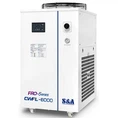
A water chiller system is an essential component of many industrial and commercial facilities, providing a continuous supply of cooled water for various applications. These systems are widely used in industries such as food processing, pharmaceuticals, plastics, and building services. The advantages of water chiller systems are numerous, including energy efficiency, precise temperature control, and environmental friendliness. In this article, we will explore these advantages in detail, highlighting the importance and benefits of water chiller systems.
Energy Efficiency
One of the key advantages of water chiller systems is their energy efficiency. These systems are designed to provide consistent cooling while minimizing energy consumption. Water chillers employ refrigeration cycles that extract heat from the water, allowing it to be cooled down to the desired temperature. Compared to other cooling methods, such as air conditioning, water chiller systems can achieve significantly higher energy efficiency, resulting in lower operational costs.
The energy efficiency of water chiller systems is attributed to several factors. First, they use water as a cooling medium, which has a higher specific heat capacity than air. This means that water can absorb and carry away more heat per unit of mass compared to air. Additionally, water chiller systems can be equipped with advanced heat exchangers and pumps that are specifically designed for high efficiency. These components ensure that the cooling process is optimized, reducing energy wastage.
Precise Temperature Control
Another advantage of water chiller systems is their ability to provide precise temperature control. In many industrial processes, maintaining a specific temperature range is crucial to ensure product quality and process efficiency. Water chiller systems can deliver water at precise temperatures, allowing for accurate control and regulation of the cooling process.
The temperature control precision of water chiller systems is achieved through various mechanisms. These systems are equipped with thermostats or microprocessors that monitor and adjust the cooling process based on temperature readings. Some advanced water chiller systems even feature programmable logic controllers (PLCs) that enable precise temperature profiling and multiple cooling stages. This level of control is essential in applications that require strict temperature management, such as pharmaceutical manufacturing and laboratory processes.
Environmental Friendliness
Water chiller systems are environmentally friendly cooling solutions compared to traditional air conditioning units. Air conditioners utilize large amounts of refrigerants that can contribute to ozone depletion and climate change. On the other hand, water chillers use water as their primary cooling medium, greatly reducing the environmental impact.
Water chiller systems can also incorporate eco-friendly refrigerants. With the phase-out of chlorofluorocarbons (CFCs) and hydrochlorofluorocarbons (HCFCs), the industry has shifted towards more environmentally friendly alternatives, such as hydrofluorocarbons (HFCs) and natural refrigerants like ammonia and carbon dioxide. These refrigerants have lower global warming potential and do not harm the ozone layer, making them safer for the environment.
Additionally, water chiller systems can leverage water-saving technologies. For example, they can be integrated with heat recovery systems that capture waste heat from the cooling process and repurpose it for other applications, such as heating or water preheating. By maximizing energy and resource utilization, water chiller systems contribute to sustainable practices and reduce the overall carbon footprint.
System Reliability and Longevity
Water chiller systems are known for their reliability and longevity. These systems are designed and built to withstand the demands of continuous operation in industrial settings. Components such as compressors, heat exchangers, and pumps are selected for their durability and ability to withstand high temperatures and pressures.
Regular maintenance and service can further enhance the reliability and extend the lifespan of water chiller systems. Routine inspections, cleaning, and lubrication of key components ensure that the system operates at peak performance. By following recommended maintenance practices, facility operators can minimize the risk of breakdowns and maximize system uptime.
Versatile Applications
Water chiller systems find applications in various industries and processes due to their versatility. From large-scale manufacturing facilities to small laboratories, these cooling systems can be customized to meet specific requirements. Water chillers can handle a wide range of cooling capacities and temperature ranges, making them suitable for diverse applications.
Some common applications of water chiller systems include:
1. Cooling industrial processes: Water chillers are extensively used in industrial processes where heat is generated as a byproduct. They can cool equipment and reduce the risk of overheating, ensuring optimal performance and extending the lifespan of machinery.
2. HVAC systems: Water chiller systems can serve as the backbone of central air conditioning in large buildings and commercial spaces. They provide chilled water that is circulated through air handling units to cool the indoor environment.
3. Food processing: Water chillers are crucial in the food processing industry to maintain product freshness and quality. They can cool ingredients, mixtures, and final products, enabling proper storage and transportation.
4. Medical and pharmaceutical applications: Precise temperature control is of utmost importance in the medical and pharmaceutical sectors. Water chillers are used to cool medical equipment, laboratories, and manufacturing processes, ensuring accurate results and safe product development.
5. Plastics industry: Injection molding and extrusion processes in the plastics industry generate heat that needs to be dissipated efficiently. Water chiller systems remove the excess heat, preventing defects and improving the quality of the plastic products.
Conclusion
Water chiller systems offer numerous advantages that make them indispensable in various industrial and commercial applications. Their energy efficiency, precise temperature control, and environmental friendliness set them apart from other cooling methods. By leveraging water as a cooling medium and incorporating advanced technologies, water chiller systems deliver reliable performance, longevity, and versatility. As industries strive for sustainability and operational excellence, water chiller systems remain a valuable asset for achieving these goals.