


Which is better, AC or water chiller?
Introduction
Air conditioning (AC) and water chillers are two popular cooling systems used in various commercial and residential settings. AC systems are typically used for cooling indoor spaces, while water chillers are employed for industrial purposes or to cool larger areas. Both systems have their advantages and disadvantages, and choosing between them depends on several factors, including the specific cooling needs, energy efficiency, and cost considerations. In this article, we will explore the differences between AC and water chillers, their pros and cons, and ultimately determine which system is better suited for different situations.
AC (Air Conditioning)
Air conditioning is a widely used cooling technology that provides thermal comfort and regulates indoor air quality. AC systems work by removing heat and moisture from the air within a given space, resulting in a cooler and more comfortable environment. There are various types of AC systems, including central air conditioning, split systems, and window units.
Advantages of AC:
1. Efficient cooling: AC systems are designed to quickly and effectively cool indoor spaces, making them ideal for homes, offices, and small to medium-sized commercial buildings.
2. Individual temperature control: AC units generally allow individual temperature control in different rooms or zones, giving users the flexibility to adjust the cooling according to their preferences.
3. Easy installation and operation: AC systems are relatively easy to install and operate, making them accessible to a wide range of users. Window units, in particular, are popular for their simplicity and affordability.
Disadvantages of AC:
1. Energy consumption: AC systems typically consume significant amounts of energy, contributing to high electricity bills and environmental impact. In regions with hot climates, AC usage can strain the power grid during peak seasons.
2. Limited capacity: While AC units are effective for small to medium-sized spaces, they might struggle to cool larger areas or industrial facilities effectively.
3. Indoor air quality concerns: AC systems can contribute to poor indoor air quality if not properly maintained. They can recirculate allergens, dust, and mold if filters are not cleaned regularly.
Water Chiller
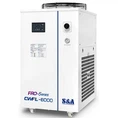
Water chillers are cooling systems commonly used in industrial settings, large commercial buildings, and even some residential applications. Unlike AC systems, water chillers rely on the circulation of chilled water to remove heat from the air and maintain a cool environment. They are often used in conjunction with cooling towers or heat exchangers.
Advantages of water chillers:
1. Cooling capacity: Water chillers are designed to handle heavy-duty cooling requirements and can effectively cool large spaces or industrial equipment.
2. Energy efficiency: Water chillers can be more energy-efficient in certain situations, especially when used for cooling larger areas. They can take advantage of water''s higher heat capacity and use less electricity compared to AC systems.
3. Flexibility in heat transfer: Water chillers can utilize different heat transfer mediums, such as water or glycol, to exchange heat with the air. This flexibility allows them to adapt to various cooling requirements and environmental conditions.
Disadvantages of water chillers:
1. Complex installation and maintenance: Water chillers require proper installation and regular maintenance by skilled technicians. They involve intricate plumbing systems, cooling towers, and water treatment processes, which can be challenging to set up and maintain.
2. Cost: Water chillers are generally more expensive to purchase, install, and maintain compared to AC units. The complexity of the system contributes to higher initial costs and ongoing expenses.
3. Limited individual temperature control: Water chiller systems are typically designed for cooling large areas and do not provide the same level of individual temperature control as AC units. They are better suited for environments where a consistent cool temperature is required across the entire space.
Conclusion
In summary, choosing between AC and water chillers depends on the specific cooling needs and considerations of the given application. AC systems are typically more suitable for residential and smaller commercial environments, offering individual temperature control and ease of operation. On the other hand, water chillers excel in cooling larger spaces or industrial facilities with heavy-duty cooling requirements. They provide more efficient cooling and can handle high capacities but require complex installation and maintenance.
It is important to consider factors such as energy efficiency, installation and maintenance costs, cooling capacity, and individual temperature control when deciding between AC and water chillers. Ultimately, the better option will vary depending on the specific requirements and constraints of each particular situation.